Kansas City MO Premium Roofing: Roof Replacement, Repair & Storm Damage
Roof replacement, leak repair, hail and wind work across Kansas City, the Northland and out along the Missouri River. The decking gets measured before the shingle gets chosen.
- ✓The decking figure printed in square feet on every estimate
- ✓Attic inspected before the roof is walked, on every job
- ✓Permit filed whenever the work crosses the city's line
- ✓Flashing replaced on tear-offs, never bent back and reused
Why Kansas City Chooses Kansas City MO Premium Roofing
- ✓We put a square-foot decking number on the estimate. It is the figure that decides your permit, your price and half your arguments, and it is missing from nearly every other quote you will collect in this city.
- ✓We go in the attic before we go on the roof. On a prewar Kansas City house the entire question is what the covering is nailed to, and there is no answer to that from a ladder, a drone or a photograph you emailed us.
- ✓We will tell you when your job needs no permit. Under the city's threshold plenty of roofing here is lawfully unpermitted, and pretending otherwise to look careful would just be theater you paid for.
- ✓We decline standing seam over original board sheathing. The clips need continuous wood and honest fastener withdrawal, and ninety-year-old boards at irregular spacing supply neither one reliably.
- ✓We argue against cutting a ridge slot on houses that have no intake. A great many older roofs here have boxed cornices and no soffit at all, and adding exhaust to that attic makes it worse rather than better.
- ✓We price carpentry as carpentry. Cornice work, rafter tails and plank repair are joinery, they take longer than roofing, and burying them inside a squares number is how the number stops meaning anything.
How It Works
Attic Side First, Roof Side Second
We start under the roof with a light, because the variable that sets your price is invisible from above. Board width, the gaps between boards, rafter spacing, daylight, nail points backing out of old lumber, and any sheathing already gone soft. Only then do we go up and walk it. A drone photograph cannot answer a single one of those questions.
The Decking Number, In Square Feet
Every estimate carries one figure the others leave off: how many square feet of sheathing we expect to replace, and what the price does when the real number lands higher. Thirty-two square feet is the city's permit line. We tell you which side of it your roof is on before you sign, not on the morning of the tear-off.
Permit Where the Work Earns One
If the decking crosses the line, or a rafter is coming out, we file with Kansas City and carry the licenses that filing requires. If it does not cross, we say so plainly rather than billing you for paperwork nobody needs. Which of those two applies is a fact about your roof, not a preference of ours.
Build, Then a Walk You Attend
Tear-off to bare wood, sheathing replaced and counted in front of you, underlayment, flashing renewed rather than reused, then covering. The closing walk happens with you present and goes back into the attic, because the attic is where we made our promises. Magnet passes over the lawn and driveway each evening, not once at the end.
Our Roofing Services in Kansas City, MO
Roof Replacement
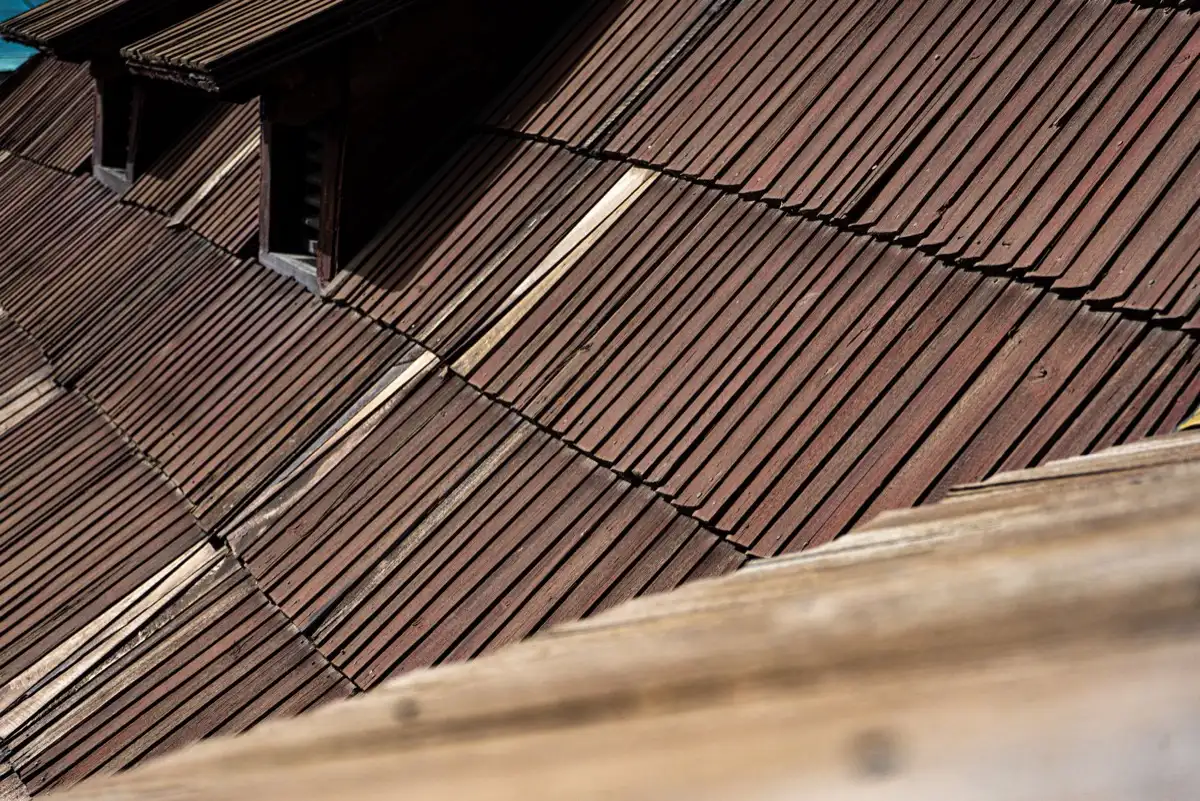
A replacement here gets priced by two things, and only one of them is the shingle. The other is how many square feet of sheathing leaves the roof with it.
Roof Leak Repair
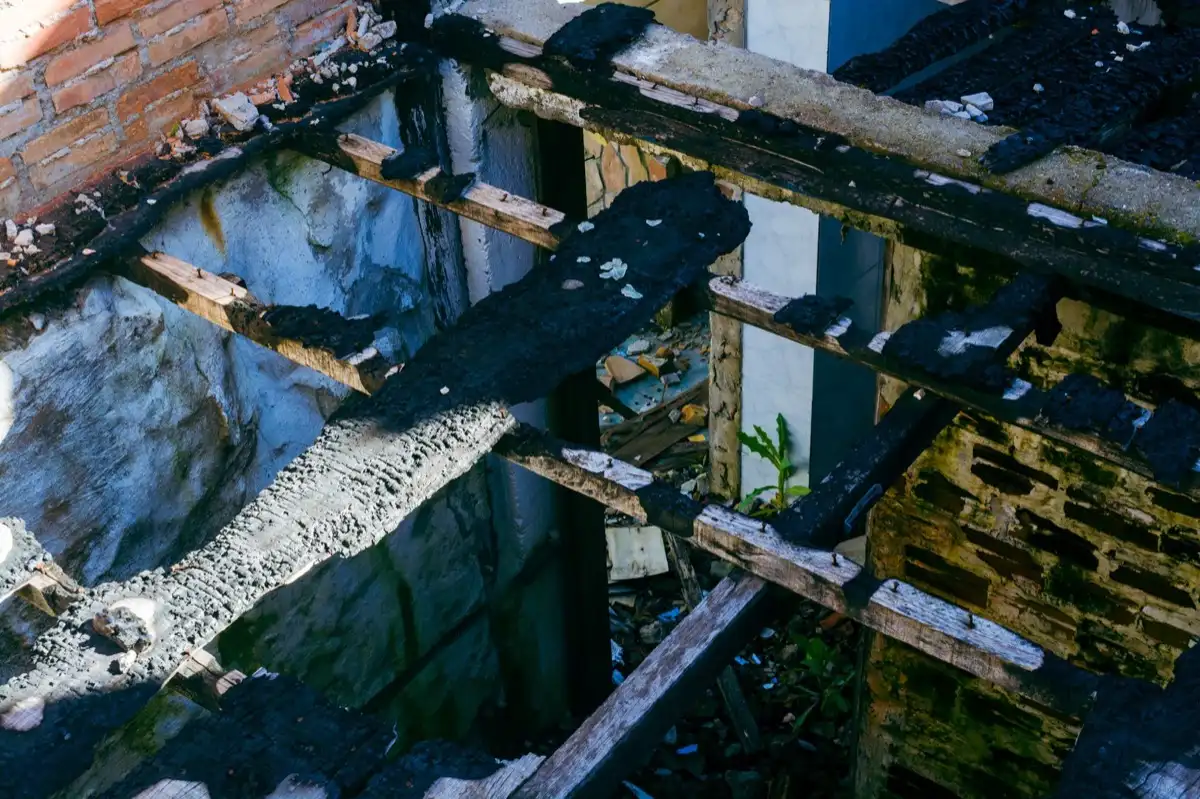
Here is a sentence most roofing sites will not print. A great many leak repairs in this city are lawfully unpermitted, and the contractor doing one is not required to hold any license at all.
Storm Damage Restoration
After a storm line crosses this metro, the crews that follow it will work a dozen different sets of rules before dinner and tell every homeowner the same sentence about what code requires. In Missouri that sentence is close to meaningless, and it is worth knowing why.
Hail Damage Roofing
Hail testing assumes something that is not true on half the roofs in this city. It assumes the shingle you are pressing has solid wood behind it.
Wind Damage Roofing
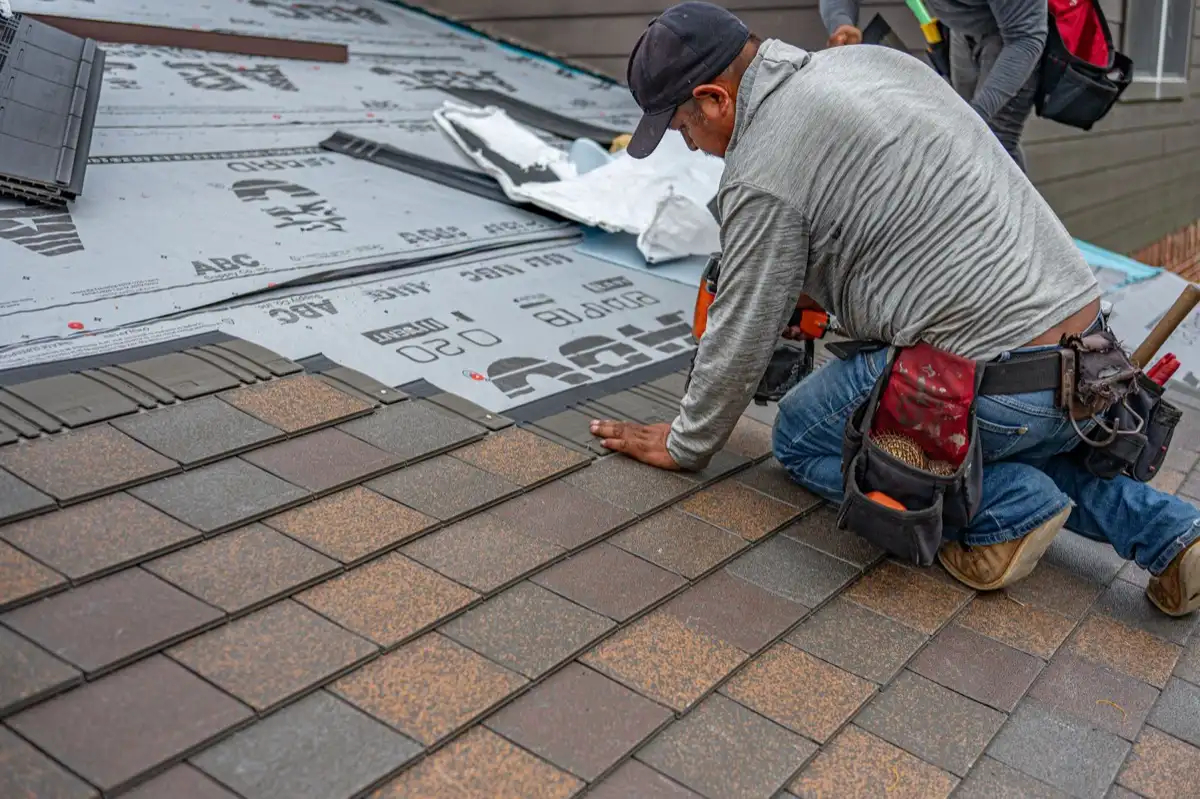
Wind failures on an older roof in this city start below the shingle rather than at it. The covering is what leaves, so it takes the blame, but the reason it left is usually a fastener that never had much wood to hold.
Roof Inspections
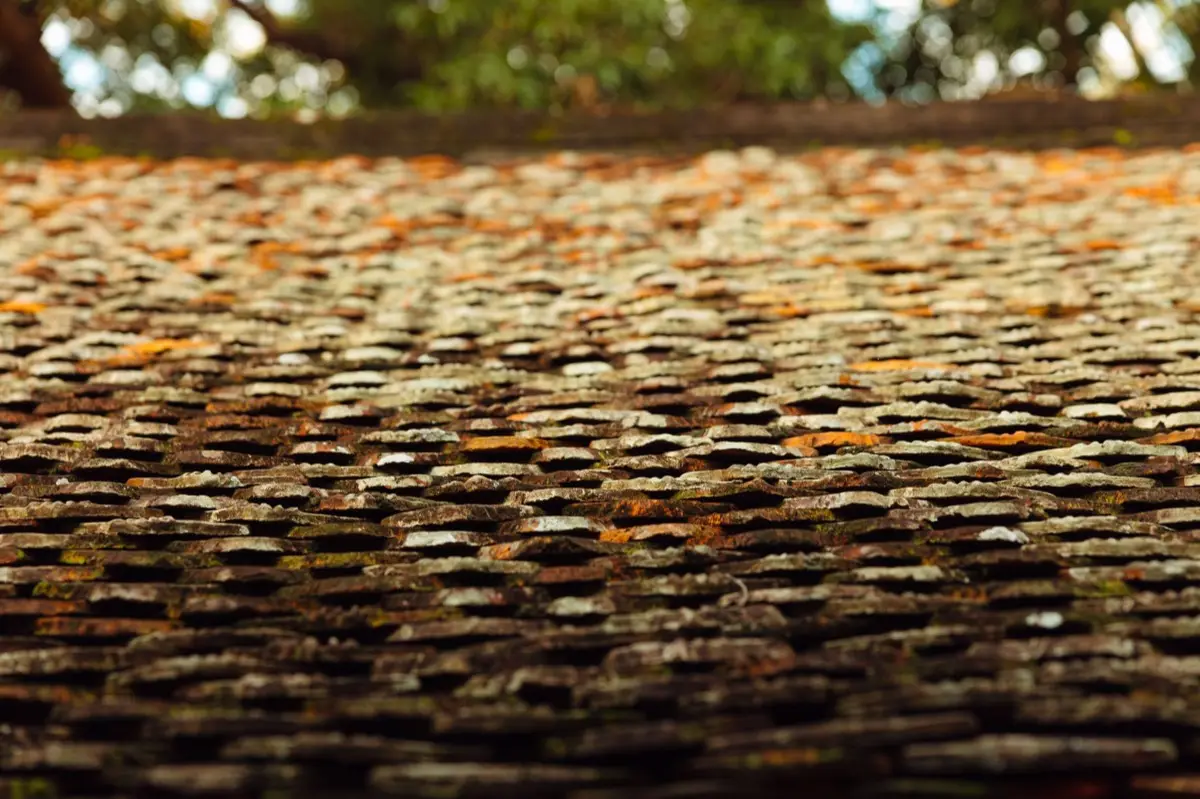
We will not quote an older Kansas City roof from a drone image, a photograph you emailed, or a walk around the outside of the house. Not because we are precious about it.
Asphalt Shingle Roofs
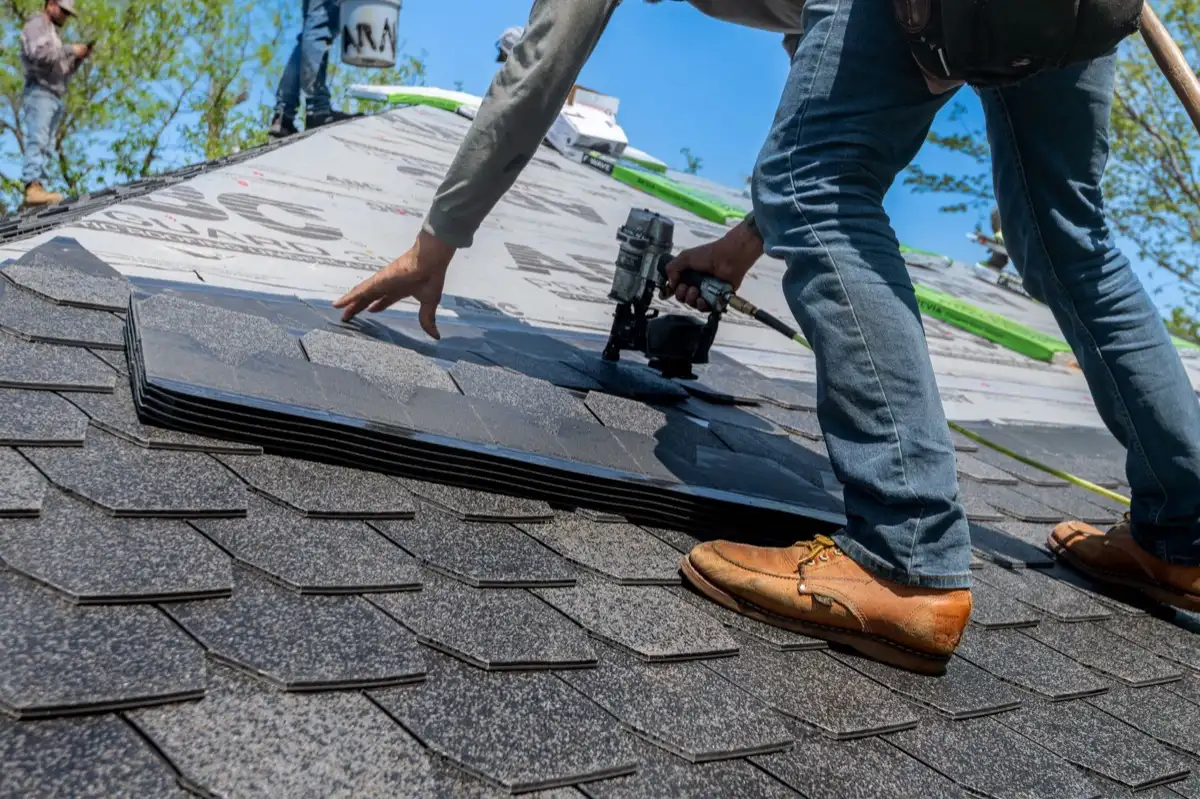
Almost every shingle upgrade sold in this city is sold in the wrong order. The pitch is a heavier laminate, a longer warranty tier, a designer profile.
Metal Roofing
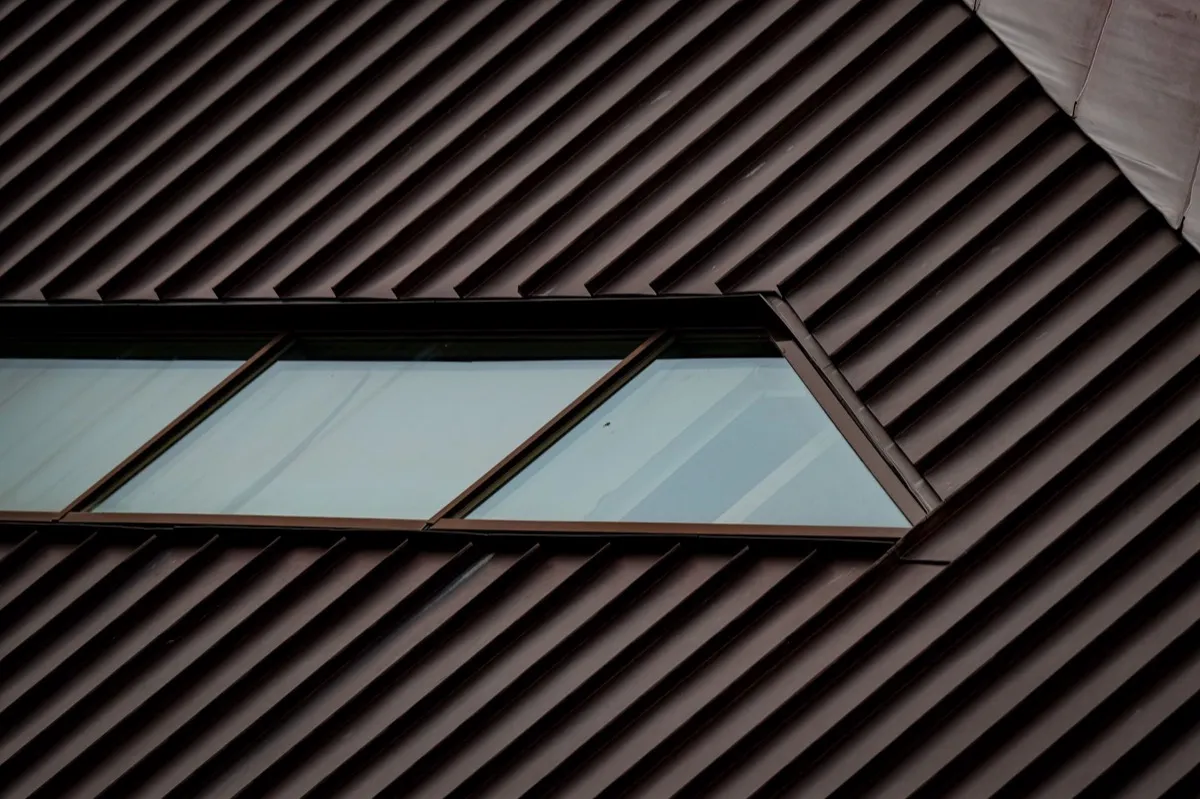
This page turns down work, so read it as such. We do not install standing seam over original board sheathing, and we will not sell you the redecking that would make it possible either.
Tile Roofing
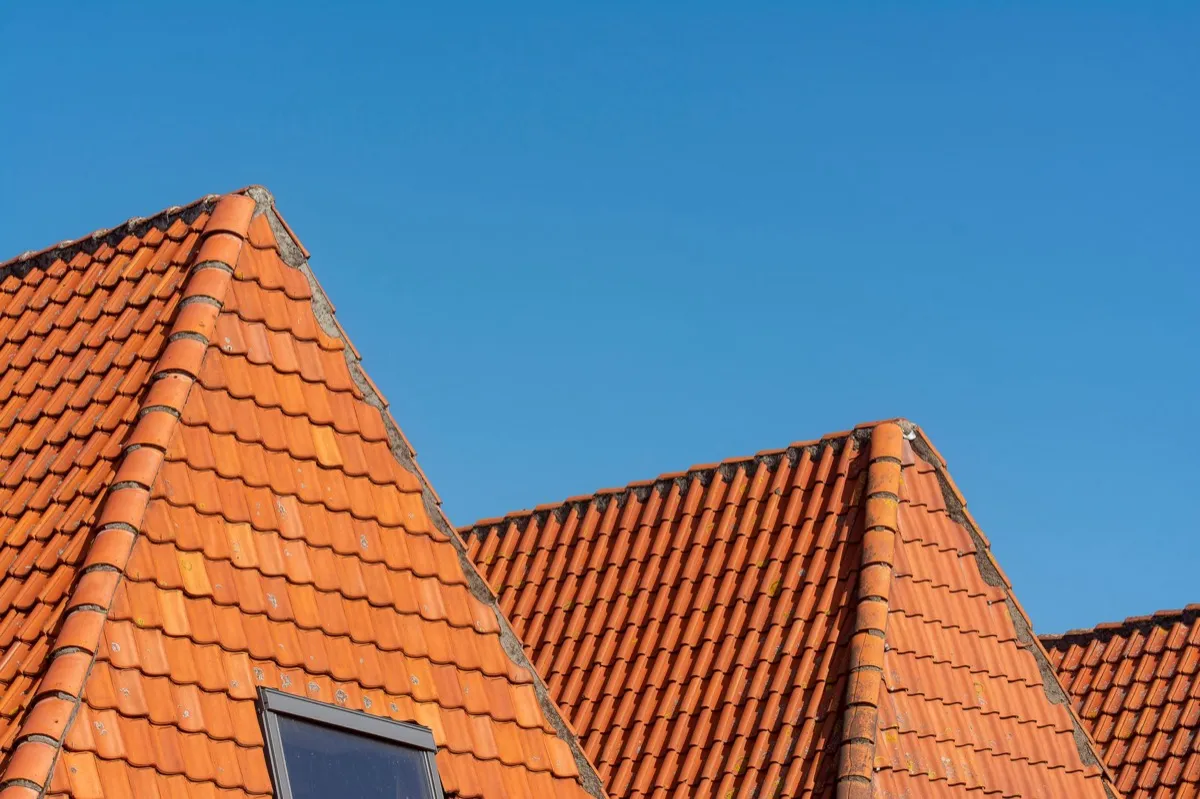
Kansas City has real clay tile, and almost none of it is new. It sits on the Spanish and Mediterranean revival houses built here in the nineteen-tens and twenties, and it is the one covering in this city that routinely outlives two of everything underneath it.

Flat & Low-Slope Roofing
Low slope on a Kansas City house is rarely a flat building. It is the front porch, the back addition, the flat-topped rear wing on a shirtwaist, and the shallow tie-in where somebody enclosed a porch in 1978.
Roof Coatings & Sealing
Notice which product the storm crews reach for in this city and why. A coating never removes a square foot of decking, so it never crosses the city's threshold, never needs a permit, and never puts a licensed business on any record connected to your address.
Roof Ventilation
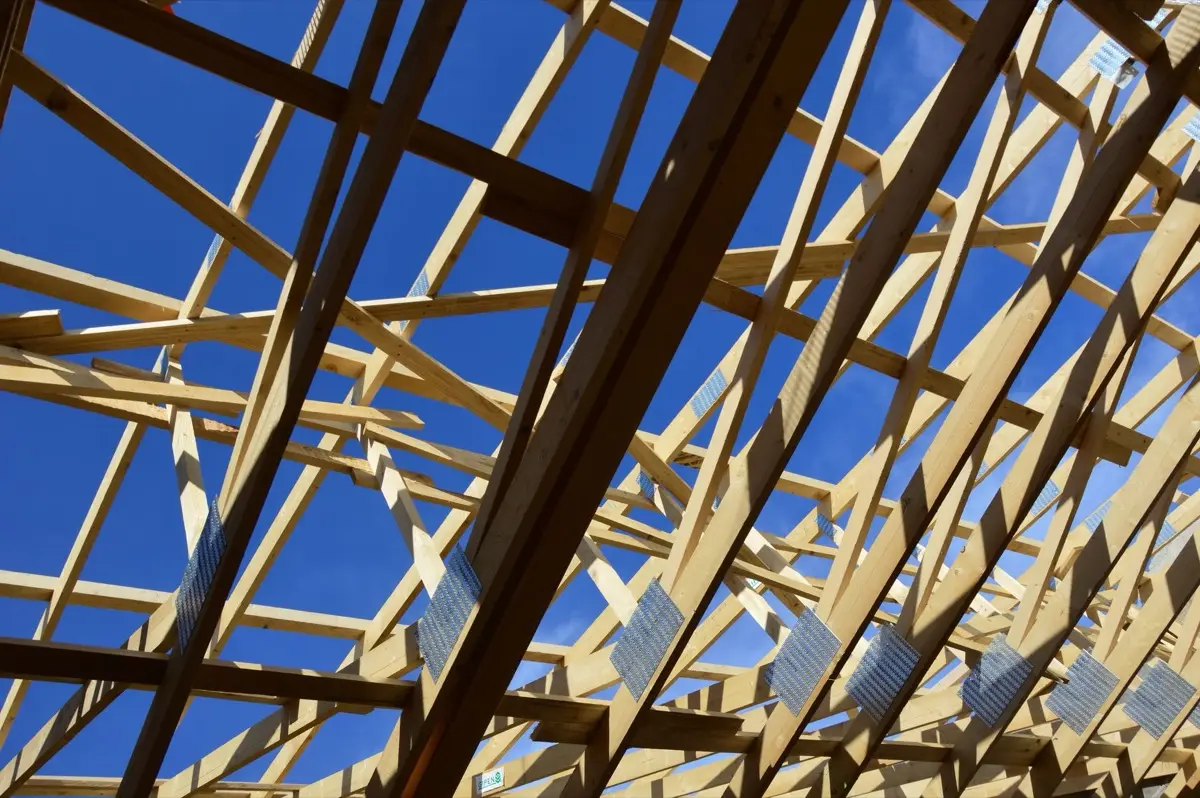
On a good number of older houses here the right ventilation recommendation is to leave the roof alone. That is not a cost-saving gesture.
Skylights
Adding a skylight to a prewar Kansas City roof is a framing job wearing a roofing job's clothes. Nobody mentions that when it gets offered as a small extra on a reroof that is happening anyway, and the price reflects the disguise.
Fascia & Soffit
This is carpentry and we price it as carpentry. On a postwar house, fascia and soffit are two boards and a panel.

Chimney Flashing
Before we quote flashing on an older Kansas City house, we ask a question most roofers skip. Is this chimney still doing anything.
Commercial Roofing
Commercial buildings in this city sit on three completely different decks, and which one you own decides what is even possible before anyone discusses membranes. Get that wrong at the bid stage and the job goes sideways in week one.
Insurance Claim Help
The gap that catches Kansas City homeowners is not the deductible. It is that your policy pays to put back the roof you had, and on an older house here the roof you had was nailed to something no roofer should nail to again.
What Kansas City Customers Say
Two bids said new roof and gave me a number. These guys went in the attic with a flashlight, came down, and told me my sheathing was one-by boards with gaps and that I was looking at a plywood overlay and a permit. Nobody else had even mentioned the decking. The final bill came in under the allowance.
Called about adding a ridge vent because my attic runs hot. He looked at the eaves, showed me there was no soffit anywhere to pull air from, and said cutting the ridge would just suck heated air out of my house. Talked me into gable louvers and an insulation guy instead. Made no money off me.
Old chimney had leaked through three different roofers. This one asked whether anything still vented into it, found out nothing had since the furnace was replaced, and took the stack down below the roof line and decked it over. Permit and all. Leak is just gone rather than managed.
Straightforward small job and they treated it like one. One split pipe boot and a valley that had been face-nailed. Written price before starting, done in an afternoon, and a note that the roof had about eight years left. No replacement pitch at any point.
Kansas City MO Premium Roofing handles roof replacement, storm and hail damage, leak repair, wind work, low-slope and flat sections, skylights and commercial roofing across Kansas City and the Northland. We install asphalt laminate, standing seam, clay tile and single-ply membrane on houses and on buildings, and we begin every estimate underneath the covering rather than on top of it.
That order is not a slogan here, it is arithmetic. Kansas City draws its reroof permit line at thirty-two square feet of replaced decking, which is two sheets of plywood and not much else. Cross that line and the job needs a permit and a city business license behind it. Stay under it and identical work is lawful with neither one.
Roughly one house in five inside these city limits went up before 1940, framed for wood shingles on spaced boards rather than on sheet goods. Those roofs cross the line nearly every time somebody opens one up. So we photograph the deck from the attic side, measure the failed area in square feet, and print that figure on the estimate before anyone discusses shingle color or warranty tiers.
About Kansas City MO Premium Roofing in Kansas City, MO
Kansas City MO Premium Roofing works the city itself and the Northland above the river, from the prewar blocks south and east of downtown out through Clay and Platte counties. The two ends of that territory are barely the same trade. One is board sheathing under ninety years of asphalt, and the other is oriented strand board laid in 1998. What they share is that nobody can tell you which you own without going underneath it.
So we built the shop around the part of the roof that decides everything and that almost nobody prices. The decking sets whether your job needs a permit in this city, whether your contractor needs a license to do it, which fasteners will hold, whether an ice barrier can bond to anything, and whether metal or a skylight is even a sensible request. We measure it in square feet and we write the number down.
Where we are the wrong call: a rental you plan to sell inside two years, with covering that still has life in it. Spend nothing there and ring us when it actually fails. If a crew has already quoted you a coating over worn shingles, we are not going to win that price and we will not try.
And if what you actually need is somebody to argue a denied claim, hire a public adjuster, because we are barred from doing it and would be poor at it anyway.
Recent Projects Across Kansas City and the Northland
Full gallery →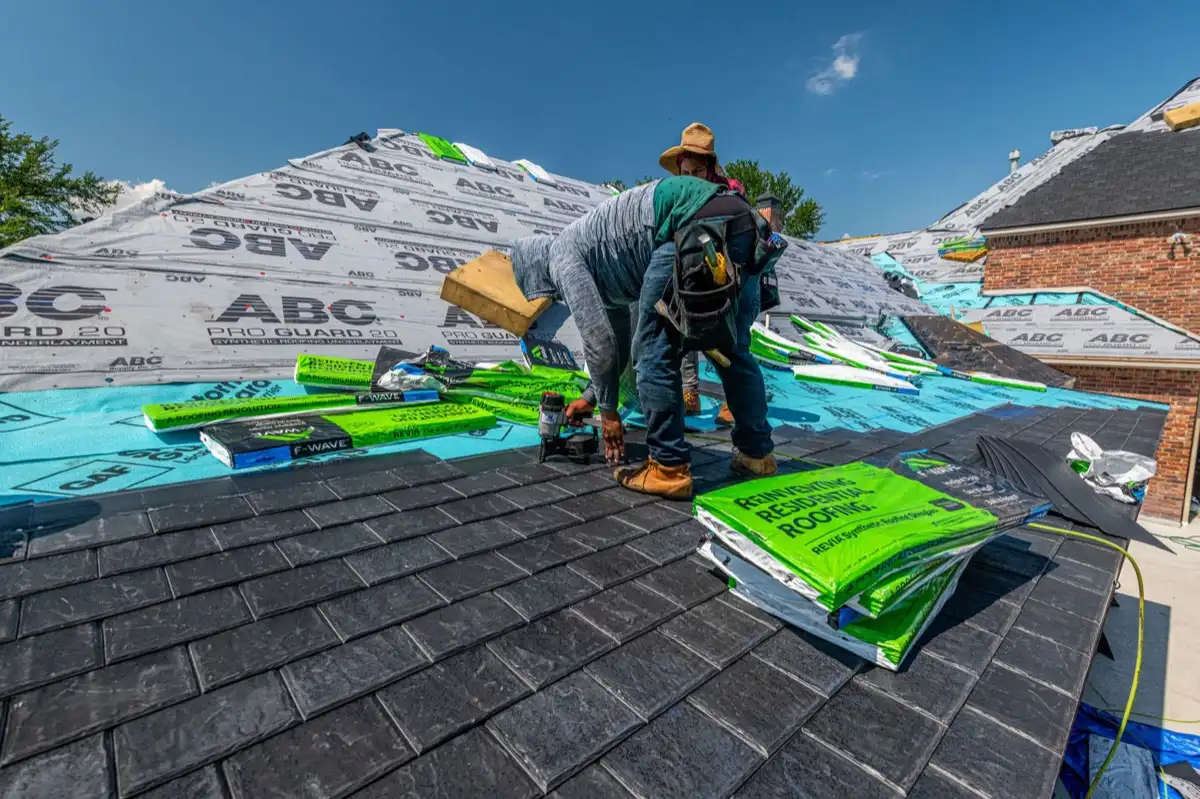
Service Areas
Kansas City MO Premium Roofing serves Kansas City, MO and surrounding communities including:
Commercial Roofing in Kansas City, the Crossroads and the River Bottoms
We work low-slope and metal on masonry buildings downtown, in the Crossroads and West Bottoms, on strip retail and light industrial along the Front Street corridor, and on newer distribution space up in the Northland.
Commercial decks here split into three eras that behave nothing alike: tongue-and-groove plank on prewar brick buildings, poured gypsum or lightweight concrete on midcentury stock, and steel deck on anything modern.
A recover that is routine over steel is often flatly impossible over plank, and the only way to know which building you own is to cut it open and look. Plan review and a city license both attach to commercial work here, so the paperwork is heavier than a house and the survey has to come first.
- ✓Core cuts taken through the assembly before anyone proposes a recover or a tear-off
- ✓Tongue-and-groove plank decks assessed for movement, gaps and prior saturation
- ✓Poured gypsum and lightweight concrete decks tested before fasteners are specified
- ✓Two-ply modified bitumen and mechanically attached single-ply over new cover board
- ✓Tapered insulation drawn to the drains that actually exist on the roof today
- ✓Parapet copings, thru-wall scuppers and interior drain bowls rebuilt as their own line
- ✓Rooftop unit curbs and hatch flashings detailed to the membrane maker's drawing
- ✓Scheduled surveys with photographs, moisture readings and a written condition log
Frequently Asked Questions
Does a reroof inside the Kansas City limits need a permit?
It depends entirely on the decking, and on which Kansas City you mean - this page is about the Missouri side. Kansas City, Missouri exempts replacement of roof covering and underlayment along with sheathing replacement of LESS THAN thirty-two square feet on a one- or two-family dwelling.
The ordinance says less than, not up to, so a flat thirty-two is already on the permitted side. Replace more than that and a building permit is required, and the contractor doing it has to hold a current Kansas City business license.
Touch a rafter or another structural member and the city wants a scope or a plan submitted, plus the Residential Building Contractor credential. Nearly every prewar roof in this city ends up on the permitted side.
Does Missouri license roofing contractors at all?
Missouri does not. It issues no roofing license and no roofing registration, and bills to create one have been filed and never passed, so on the Missouri side there is no state credential to look up.
KANSAS IS THE OPPOSITE and that matters on this side of the metro: Kansas registers roofers statewide through the Attorney General, publishes a directory that has to read In Good Standing, and runs a standing form for reporting an unregistered roofer.
Registration is required there above two thousand dollars a project, with half a million in liability cover, no bond and no exam. So the answer changes at the state line, which in this metro can be twenty minutes away.
Within Kansas City, Missouri the city licenses the businesses working inside its limits, so there is at least a municipal record; drive out to unincorporated Missouri county ground and even that disappears. Kansas City, Kansas is a different city with its own rules again.
Why does my neighbor's roofer say no permit was needed and mine says one is?
Because you may not live under the same rules. Missouri has no statewide building code. Every city and county chooses whether to adopt one and which edition, so the code governing your roof is decided by your address rather than by your state. Kansas City covers about three hundred nineteen square miles across four counties and is ringed by separate jurisdictions, several of which adopt nothing at all. Two houses four blocks apart can genuinely have different answers.
What is spaced sheathing and why does it change my quote?
Older Kansas City houses were roofed in wood shingles, which were nailed to one-by-four or one-by-six boards laid with deliberate gaps so the shingles could dry from beneath. When those roofs were switched to asphalt, the gaps stayed. Asphalt shingles need continuous support and a nail that lands in wood every time, and over a gap they get neither.
Fixing it means overlaying plywood across the boards, which is real money and belongs on the estimate rather than in a surprise.
Is a free storm inspection worth having on an older Kansas City house?
It is worth roughly what it costs, because it happens entirely on the outside. The thing that decides what your roof needs here sits under the sheathing, and no walk-around answers it. If somebody has quoted you a full replacement without going into your attic, they have priced the half of the roof they could see. Ask whoever you hire to describe your decking to you. If they cannot, they have not looked.
My house is in the Northland and only twenty years old. Does any of this apply?
Much less of it, and we will tell you so. A house built in the nineties or later has plywood or oriented strand board decking laid tight, and unless water has been getting in for years the sheathing is usually sound. Those jobs often stay under the thirty-two square foot line honestly. The tradeoff is elsewhere: young roofs here fail at fastening and at flashing rather than at the deck, so that is where we spend the inspection.